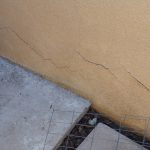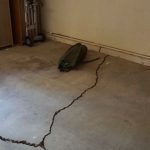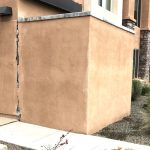
Foundation cracks are a common issue that many homeowners face, but understanding their causes and finding the right solutions can help prevent further damage and ensure the stability of your home. In this post, we will discuss the common causes of foundation cracks, how to identify them, and the recommended repair solutions.
Common Causes of Foundation Cracks
1. Soil Movement:
• Expansive Soils: Certain types of soil, like clay, expand when wet and contract when dry. This constant movement can cause significant pressure on the foundation, leading to cracks.
• Soil Settlement: Over time, the soil underneath a foundation can compact and settle, causing the foundation to sink unevenly and crack.
2. Hydrostatic Pressure:
• Excessive water accumulation around the foundation can create hydrostatic pressure. This pressure can push against the foundation walls, causing them to crack and bow inward.
3. Poor Construction:
• Inadequate construction practices, such as improper soil compaction or insufficient reinforcement, can result in a weak foundation that is prone to cracking under stress.
4. Temperature Changes:
• Seasonal temperature fluctuations can cause the foundation to expand and contract. Repeated cycles of freezing and thawing can lead to the formation of cracks over time.
5. Tree Roots:
• The roots of large trees planted too close to a house can grow and exert pressure on the foundation, causing cracks.
Identifying Foundation Cracks
1. Vertical Cracks:
• These cracks are often caused by normal settling of the foundation and are usually less serious. However, if they are wide or growing, they may indicate a more significant issue.
2. Horizontal Cracks:
• Horizontal cracks are typically caused by hydrostatic pressure and are more serious than vertical cracks. They can indicate that the foundation is bowing inward and needs immediate attention.
3. Diagonal Cracks:
• These cracks are usually the result of differential settlement, where one part of the foundation settles more than another. Diagonal cracks can vary in severity based on their width and direction.
4. Stair-Step Cracks:
• Common in brick or block foundations, these cracks follow the mortar joints in a step-like pattern. They are often caused by differential settlement and require monitoring.
Recommended Repair Solutions
1. Sealants and Epoxy Injections:
• For minor vertical cracks, applying a sealant or using epoxy injections can help prevent water infiltration and further cracking.
2. Carbon Fiber Reinforcement:
• For horizontal cracks, carbon fiber strips can be applied to the interior foundation walls to provide additional support and prevent further bowing.
3. Foundation Piers:
• For more severe settlement issues, installing foundation piers can help stabilize and lift the foundation back to its original level. Helical piers and push piers are common types used in these repairs.
4. Soil Stabilization:
• Injecting polyurethane foam or other stabilization materials into the soil can help prevent further settlement and movement of the foundation.
5. Exterior Drainage Solutions:
• Improving exterior drainage by installing French drains, extending downspouts, and grading the landscape away from the foundation can help reduce hydrostatic pressure and prevent future cracks.
Conclusion
Foundation cracks can be a sign of underlying structural issues, but understanding their causes and identifying them early can help you take the necessary steps to repair and prevent further damage. Whether it’s addressing soil movement, hydrostatic pressure, or poor construction practices, there are various solutions available to ensure the stability and safety of your home. If you notice any cracks in your foundation, it’s important to consult with a professional to determine the best course of action for your specific situation.